
Licensed · Insured · Local
Well Inspections & Preventative Maintenance
Wells fail on the worst day of the year because nobody looked at them on the easy days. An annual checkup catches the waterlogged tank, the worn leathers, and the dropping water level while they are still cheap problems instead of July emergencies.
Applewhite Water Well runs seasonal maintenance visits and full system inspections across our whole service area, including pre-purchase inspections for land buyers who want to know what that well and windmill are actually worth before the money moves.
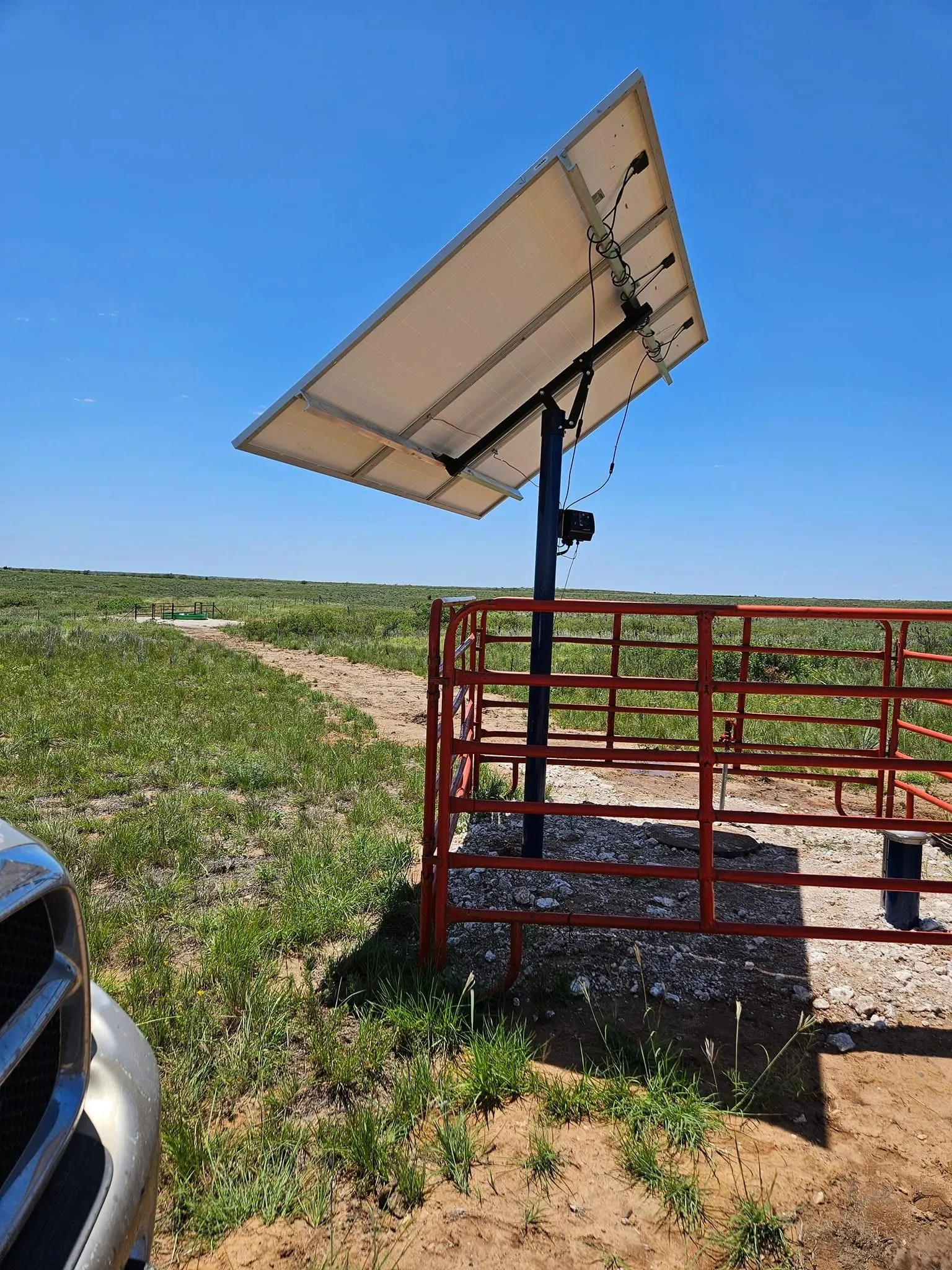
What You Get With Applewhite
Annual system checkups
Pressure system, pump performance, controls, and wellhead condition, checked and documented.
Pre-purchase inspections
Buying land with a well or windmill? Know its condition, depth, and honest remaining life before you close.
Windmill service rounds
Oil, leathers, rods, and furl checks on working mills. An hour a year keeps a mill alive for decades.
Water level and yield checks
On the thin edge of the Ogallala, knowing your static level trend tells you years in advance when to plan changes.
How the Job Goes
-
Walkthrough
Wellhead, seal, pressure tank, switch, and visible plumbing get eyes and gauges on them.
-
Performance test
Flow, pressure recovery, and cycling behavior measured against what the system should do.
-
Written condition report
What is sound, what is wearing, and what to budget for, in plain language.
-
Fix the small stuff now
Minor items like tank charge and switch adjustments get handled during the visit at your say-so.
What an annual visit catches
The classics: a pressure tank losing its air charge, which short-cycles the pump toward early death. A switch with burned points. A windmill running dry oil. A wellhead seal cracked open to surface runoff. Each is minutes to fix on a maintenance visit, and each becomes a serious bill if it runs another year.
We keep simple records visit to visit, so trends show up: pressure recovery slowing, static level dropping, a motor drawing more amps each summer. Trends are the early warning system.
Buying land? Inspect the well like you inspect the fences
A working well adds real value to rural land, and a dead one subtracts the price of a new hole. Sellers rarely know the well’s true condition themselves. A pre-purchase inspection tells you depth, equipment condition, and what the first five years of ownership will cost, before you sign.
A maintenance calendar that fits this country
Late winter: windmill service, before spring storms test the furl and rods. Spring: the full system checkup ahead of summer load, with the pressure tank charge checked and flow measured. Fall: freeze prep, meaning well house insulation, heat tape where it applies, and drain-back verified on stock lines. That is three light touches a year, and two of them combine into other visits easily.
Households on a single well can usually run on the spring visit alone. Operations with multiple wells, mills, and solar systems get the most value from a standing route: we see every asset on a schedule, and small problems never get two seasons to grow.
Why the paperwork is worth as much as the wrench
Every inspection ends in a short written report: what we measured, what we fixed, what to watch. File those and your well has a medical history. When you sell the place, that folder answers the buyer’s biggest rural question, and when something fails years from now, the trend line in those reports usually names the suspect before we open the well house door.
The reports also make budgeting honest. "The pump is trending toward replacement in two to three seasons" is a line item you can plan for. A surprise failure in July is not. Landowners who run on our reports replace equipment on their schedule, in mild weather, at regular prices.
Spring checkups beat summer breakdowns
The best month for a checkup is before your peak season: spring for summer grazing and household demand, fall for freeze readiness. Pumps rarely fail in mild weather. They fail under July load and February cold, so the checkup goes before the stress, not after.
For working ranches we combine both into a standing spring-and-fall rhythm, and slot windmill oiling into whichever visit the weather favors. Two planned mornings a year, against the alternative of one very unplanned one.
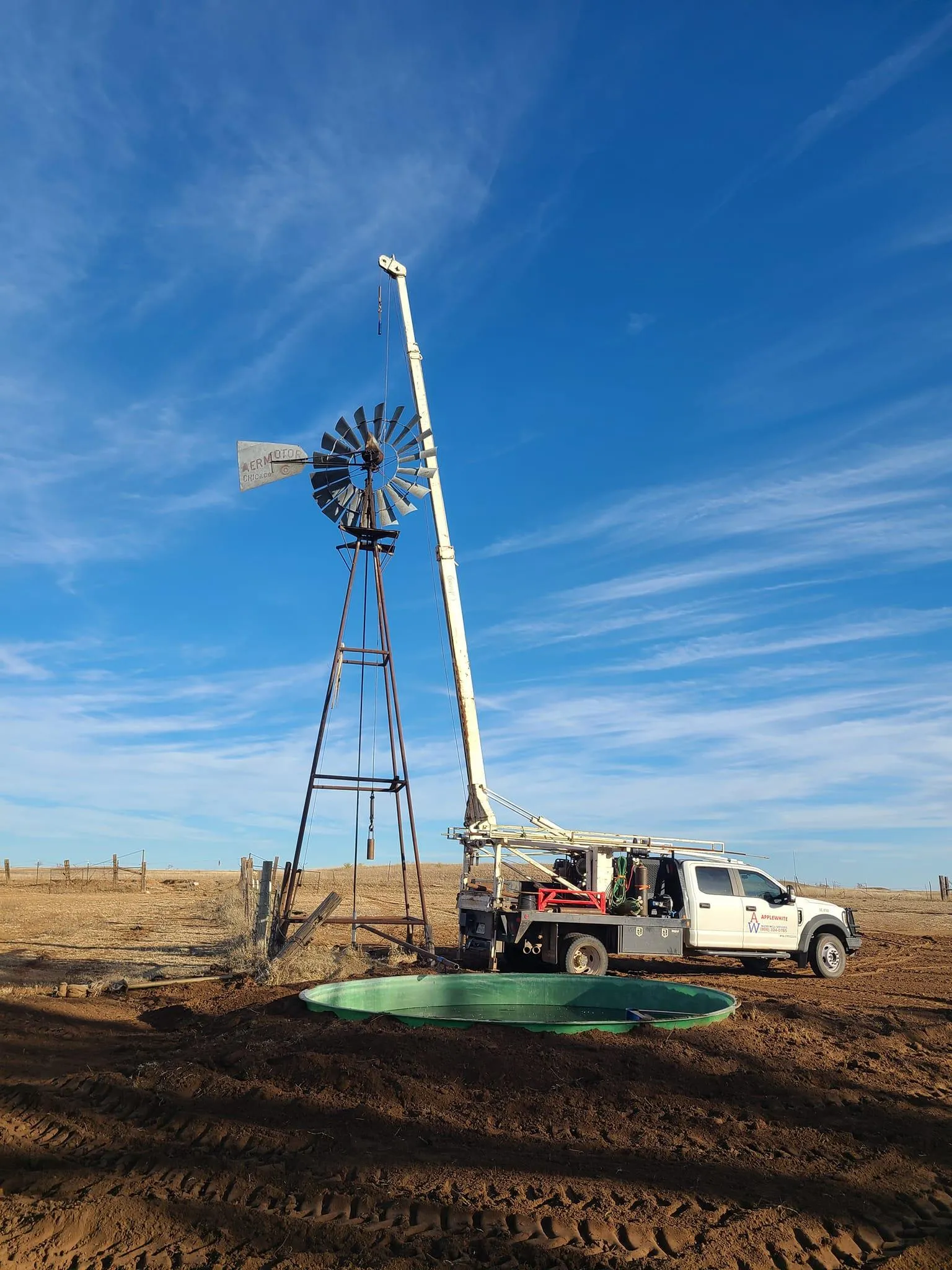
Who shows up
Matthew Applewhite, Owner & Operator
Applewhite Water Well is Matthew Applewhite's shop: a local crew that walks your property, quotes the job, and does the work. Licensed under an active Texas Master Water Well Pump Installer license (#61162, TDLR verified), insured, and based in Wheeler.
- One local crew from first call to finished job
- decades of hands-on well work in the eastern Texas Panhandle
- Serving ranches and rural homes across 12 Panhandle communities
- Written estimates before work begins, every time
Manufacturer & Industry Resources
- Wellowner.org — Water Testing — Independent guidance on well testing and maintenance schedules.
Inspections Questions, Answered
How often should a well be inspected?
Annually for most systems, and any time behavior changes: new noises, pressure sag, cloudy water, or faster cycling.
What does a well inspection include?
Wellhead and seal condition, pressure system test, pump performance, controls, and a written report of findings and budget items.
Do you test water quality?
We recommend lab testing for household wells and can point you to accredited labs. For livestock wells we flag visible issues like sand and staining.
Do you inspect wells for land purchases?
Yes, buyer-side pre-purchase inspections of wells, windmills, and solar systems, with a straight verdict on condition and cost.
What does maintenance cost?
A routine visit is inexpensive against what it prevents. Call 806-334-0785 and we will quote the visit for your system.
Can you maintain windmills and solar systems too?
Yes. Windmill service rounds and solar system checks are part of the same visit when you have them.
Can you set up a standing maintenance route for a ranch?
Yes, and for multi-well operations it is the best value we offer: every well, mill, and solar system seen on schedule, with one report covering the whole outfit.
Will an inspection tell me how many years my pump has left?
It gives an honest estimate from age, amp draw, and performance trend. No one can promise a date, but the trend line usually gives you seasons of warning, which is all you need to budget.
I just bought a place with a well and no paperwork. Where do I start?
Start with a baseline inspection. We measure depth, water level, and performance, document the equipment, and from then on your well has records even if it never had them before.
Inspections Across the Eastern Texas Panhandle
We serve every community below from our shop in Wheeler. Pick your town for local details, or call and tell us where the gate is.
- Inspections in Wheeler, TX
- Inspections in Pampa, TX
- Inspections in Shamrock, TX
- Inspections in Canadian, TX
- Inspections in Wellington, TX
- Inspections in Groom, TX
- Inspections in Miami, TX
- Inspections in Kelton, TX
- Inspections in Skellytown, TX
- Inspections in Alanreed, TX
- Inspections in Briscoe, TX
- Inspections in Allison, TX
Request a Free Inspections Estimate
Three quick things and someone from the shop will call you back — a real person reads every one of these. Rather just talk? 806-334-0785.