
Licensed · Insured · Local
Stock Tanks & Livestock Watering Systems
Water placement runs a ranch. Cattle graze where they can drink, and a well-placed tank puts grass to work that otherwise goes to waste. Applewhite Water Well installs stock tanks, storage tanks, and the plumbing between the well and the trough.
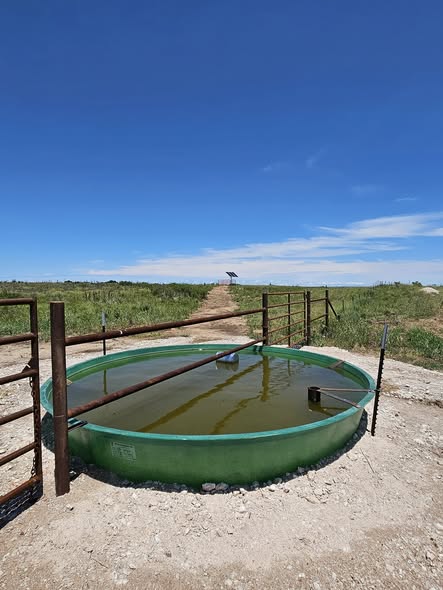
We set fiberglass, steel, and concrete tanks, plumb them with floats and overflow, and tie them to windmill, solar, or electric wells. If the pasture needs a well where none exists, we arrange the drilling through a licensed well driller and build the complete pump and tank system on it.
What You Get With Applewhite
Tank supply and set
Fiberglass and steel stock tanks in common ranch sizes, delivered, leveled, and bedded right so they stay put.
Storage systems
Ground storage feeding troughs by gravity or pressure, so calm days and cloudy days do not empty the pasture.
Floats, valves, and overflow
Properly set floats save water and pumps. Overflow piped away from the pad keeps the tank from digging its own mud hole.
Freeze-resistant details
Panhandle winters are real. We plumb with drain-back and depth details that keep lines from bursting in a hard freeze.
How the Job Goes
-
Layout
We look at the pasture, the herd, and the water source, and pick tank size and placement that spread grazing pressure.
-
Pad and set
A level, compacted pad with good drainage. Most tank failures start with a bad pad, so we do not rush this.
-
Plumbing
Supply line, float valve, and overflow, buried below frost where the run needs it.
-
Fill and check
We fill the tank, set the float, and watch a full cycle before we call it done.
Sizing water for a cow herd
Summer figures for this country run 10 to 20 gallons per cow-calf pair per day, more in a heat wave. The tank and the storage behind it need to cover peak demand plus a cushion for the day the pump quits and nobody notices until evening.
We size from your head count and your source. A windmill over a slow well wants more storage than a strong solar pump over a good well. There is no one right tank, only the right tank for the setup.
Where the tank goes matters as much as the tank
Tanks placed on high, firm ground with piped-away overflow stay clean and keep their pad for decades. Tanks in low spots become bogs that trap calves and breed flies. Distance matters too: cattle graze roughly a mile from water, so tank placement is grass management.
We have set tanks on this range for years. Tell us how you rotate and we will put the water where it does the most work.
Troughs, storage, or both?
A trough is where cattle drink. Storage is where water waits. Small operations sometimes get by with a big trough alone, but the setups that never run dry pair a modest trough with real storage behind it: a ground tank holding several days of demand, feeding the trough through a float.
That split does two useful things. It carries the herd through calm spells, cloudy stretches, and pump repairs without anyone hauling water. And it lets the well and pump run gently, filling storage slowly around the clock instead of chasing thirsty cattle at 3 PM in August.
The marginal cost of adding storage while the trencher and crew are already on site is small. The cost of adding it later, after a dry weekend proves you needed it, is a whole second mobilization.
The freeze details that keep tanks working in January
Winter stock water fails at the details: a float valve frozen in its housing, a supply line buried two inches too shallow, an overflow that iced into a dam. We plumb below frost depth, use freeze-rated float assemblies, and set drain-back where the design allows, so a hard norther is a weather event and not a plumbing event.
Deep water holds heat. A properly sized tank with volume under it stays open in cold that skins a shallow trough with ice, which saves you mornings spent breaking ice with an axe.
Set tanks before summer grazing
The best time to add pasture water is late winter and spring, before turnout. Summer is for using water, not for finding out you need more of it. If this year taught you a pasture is short on water, get on the schedule now for next season.
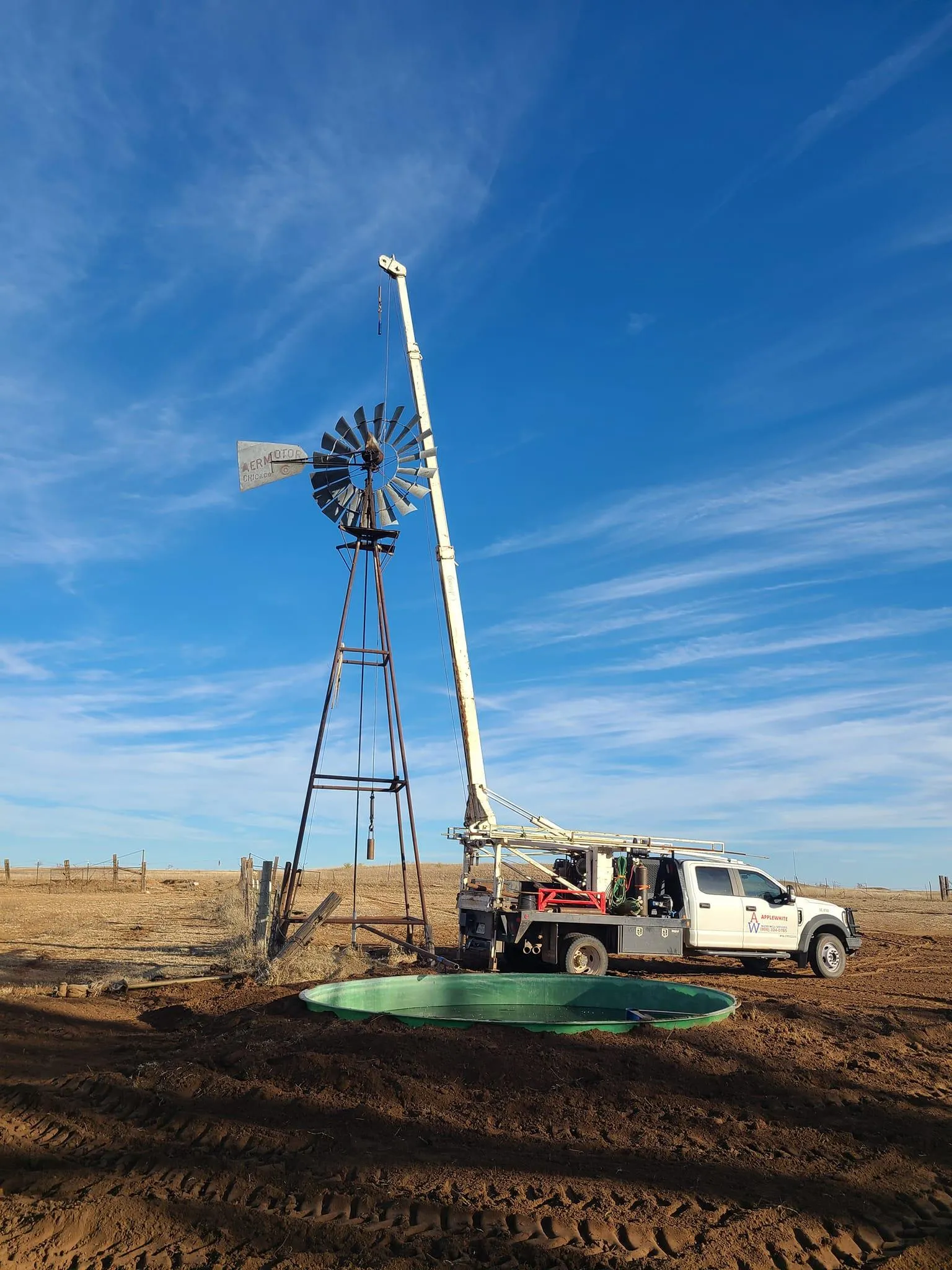
Fall works too, especially for pairing tank projects with well or windmill service while the truck is already on your place. Bundled trips save money, and we will tell you when bundling makes sense.
Who shows up
Matthew Applewhite, Owner & Operator
Applewhite Water Well is Matthew Applewhite's shop: a local crew that walks your property, quotes the job, and does the work. Licensed under an active Texas Master Water Well Pump Installer license (#61162, TDLR verified), insured, and based in Wheeler.
- One local crew from first call to finished job
- decades of hands-on well work in the eastern Texas Panhandle
- Serving ranches and rural homes across 12 Panhandle communities
- Written estimates before work begins, every time
Stock Tanks Questions, Answered
What stock tank sizes do you install?
Common ranch sizes from small troughs to large-diameter fiberglass and steel rings, plus bulk storage tanks. We quote the size that fits your herd and source.
Fiberglass or steel?
Fiberglass resists corrosion and handles our water chemistry well. Steel takes abuse from big herds. Both work out here; the site and the herd decide.
Can you connect a tank to my existing well?
Yes. We plumb tanks to existing windmill, solar, and electric wells, including buried supply runs and float control.
How do you keep tanks from freezing solid?
Depth, drain-back plumbing, and flow. Moving water and properly buried lines keep systems alive through Panhandle cold snaps.
Do you fix leaking stock tanks?
We repair or reset tanks when the tank is worth saving and replace them when it is not. An honest look costs you nothing.
How much does a stock tank install cost?
Tank size, pad work, and plumbing length set the price. Free written estimates: call 806-334-0785.
Can you move an existing tank to a better spot?
Often yes, if the tank is sound. We reset it on a proper pad at the new location and re-run the supply line. Sometimes moving water is the cheapest grazing improvement on the place.
Do you install wildlife guzzlers or tanks for hunting properties?
Yes. Remote wildlife water runs on the same solar-and-storage designs we build for cattle, sized down and set where the game trails already are.
Stock Tanks Across the Eastern Texas Panhandle
We serve every community below from our shop in Wheeler. Pick your town for local details, or call and tell us where the gate is.
- Stock Tanks in Wheeler, TX
- Stock Tanks in Pampa, TX
- Stock Tanks in Shamrock, TX
- Stock Tanks in Canadian, TX
- Stock Tanks in Wellington, TX
- Stock Tanks in Groom, TX
- Stock Tanks in Miami, TX
- Stock Tanks in Kelton, TX
- Stock Tanks in Skellytown, TX
- Stock Tanks in Alanreed, TX
- Stock Tanks in Briscoe, TX
- Stock Tanks in Allison, TX
Request a Free Stock Tanks Estimate
Three quick things and someone from the shop will call you back — a real person reads every one of these. Rather just talk? 806-334-0785.