
Licensed · Insured · Local
Well Deepening & Pump Lowering
The water under the High Plains is measurably lower than it was a generation ago. Wells drilled with plenty of margin in 1985 now pump air on hot afternoons. The fix is often simpler than people fear, and it starts with a measurement, not a new hole.
Applewhite Water Well measures your static water level and pumping level, then quotes the right response: lower the pump, or scope deepening or a new well with a licensed drilling contractor. In that order of cost, and only as far up the list as your well requires.
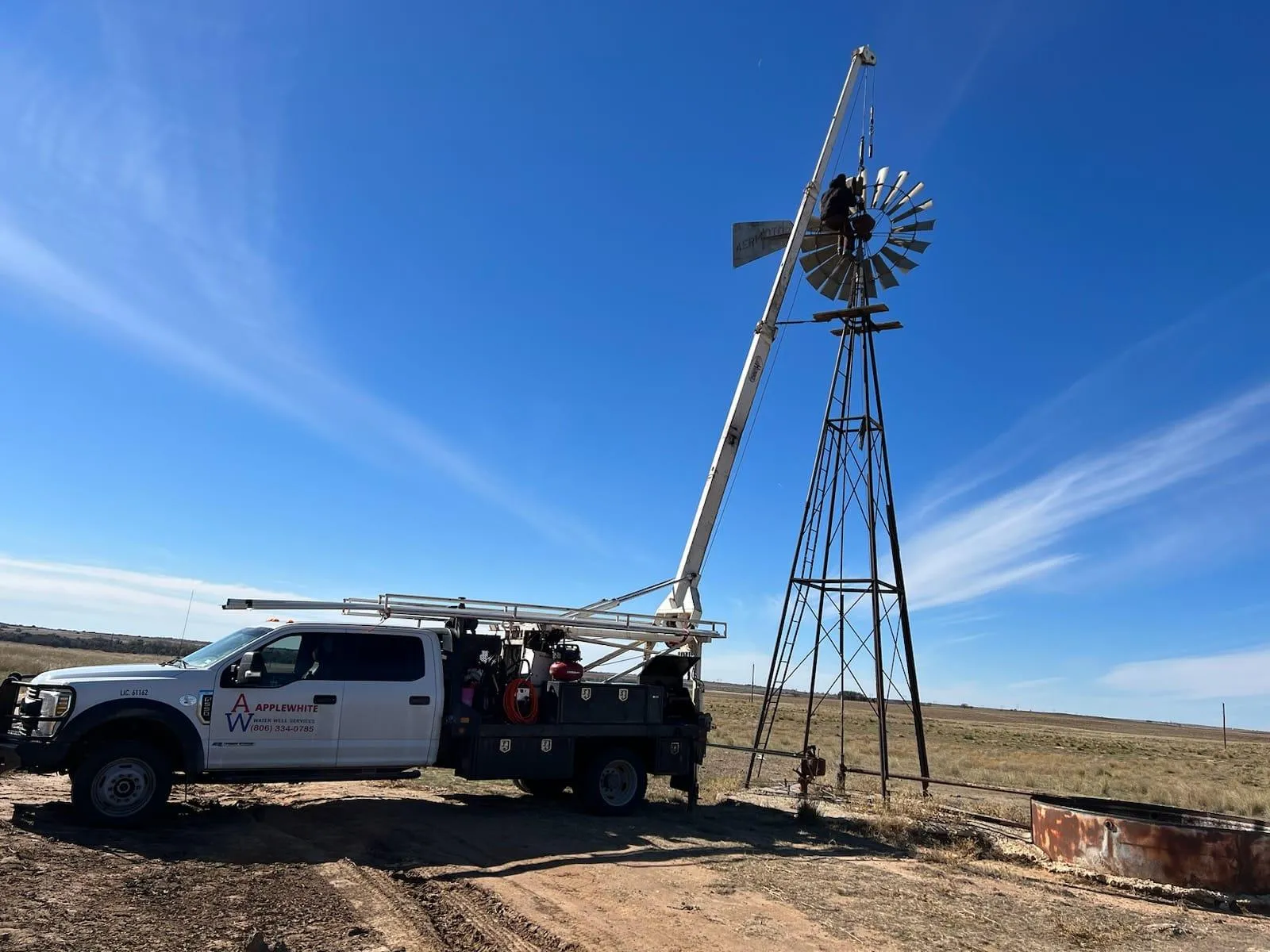
What You Get With Applewhite
Water level measurement
Static level and drawdown measured with a sounder, recorded against your well log. The numbers decide the fix.
Pump lowering
Added drop pipe sets the pump deeper into remaining saturated thickness. Often a one-day job, and often the whole answer.
Well deepening
Where construction and formation allow, deepening an existing well beats a new hole. We evaluate it and bring in a licensed drilling contractor for the downhole work.
Straight talk on new wells
Some wells cannot be deepened: collapsed casing, bad formation, or no water below. We say so and quote the replacement honestly.
How the Job Goes
-
Measure and compare
We measure current levels and compare them to the original well log and nearby TWDB records. That shows how much water column remains.
-
Check the equipment
Pump set depth, drop pipe condition, and cable length determine whether lowering is possible without new material.
-
Quote the options
Lowering with a firm number from us; deepening or replacement scoped with a licensed drilling contractor. Our recommendation comes in plain words either way.
-
Execute and document
The work gets done, the new set depth gets recorded, and you keep the numbers for the next decade of decisions.
How to read the symptoms
A well drawing down to the pump intake has a signature. Water sputters with air on long runs. Output recovers after the well rests overnight. Pressure sags in the evening after a day of stock and household demand. The pump may also cycle on thermal overload as it runs hot.
These symptoms mimic a dying pump, and many landowners buy a pump they did not need. The sounder settles it in minutes. If the pumping level sits within a few feet of the intake, the problem is set depth, not the pump.
What pump lowering involves
Lowering means pulling the pump, adding drop pipe and cable, and resetting the pump deeper in the water column. The well must have depth below the current setting, which the original driller log or a total-depth measurement confirms.
We check the pump condition while it is out of the hole. A pump that has been breaking suction for two summers has been running hot, and reusing a damaged pump at a new depth wastes the trip. You get the honest condition call either way.
When deepening beats drilling new
Deepening works when the casing is sound, the formation below holds water, and the well construction allows the rig to work through it. It saves the cost of a new surface completion and keeps your existing equipment, pad, and plumbing.
It is not always available. Collapsed or corroded casing, cascading water, or a dry formation below the current total depth all push the answer to a new well. The evaluation tells us which case you have before money moves.
Planning against a declining aquifer
The Ogallala does not recharge fast in this climate. The Texas Water Development Board publishes water-level measurements across the Panhandle, and the long trend in most counties points down. That is not panic material. It is planning material.
A well with its level history written down can be managed: pump set with margin, demand spread with storage, and replacement budgeted years ahead. We record levels on every visit so your well has that history.
Measure in late summer
Water levels sit lowest at the end of irrigation season. A well that passes a late-summer measurement has real margin. A spring measurement flatters the well and hides the risk, so we schedule level checks for the hard season on purpose.
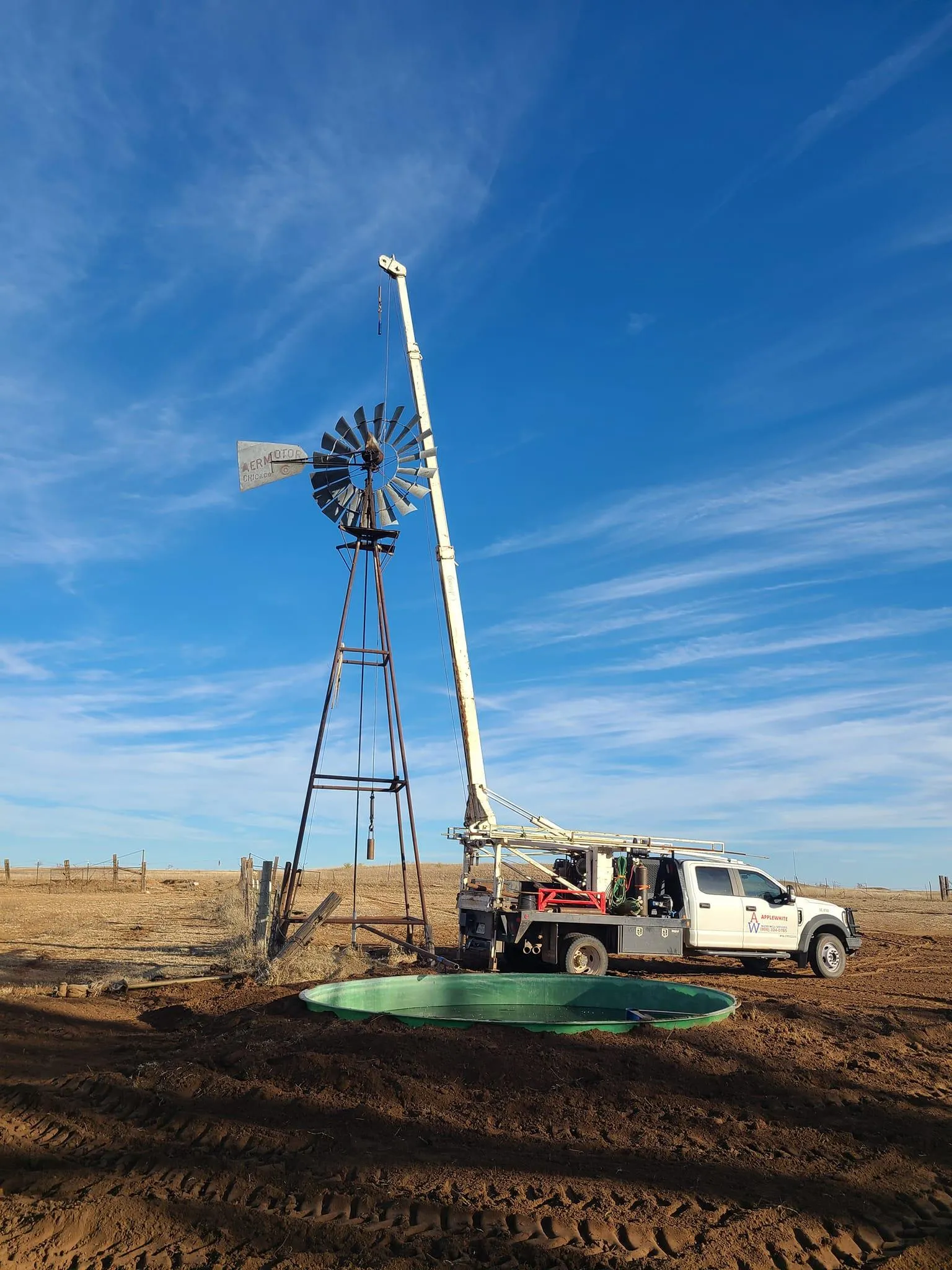
Who shows up
Matthew Applewhite, Owner & Operator
Applewhite Water Well is Matthew Applewhite's shop: a local crew that walks your property, quotes the job, and does the work. Licensed under an active Texas Master Water Well Pump Installer license (#61162, TDLR verified), insured, and based in Wheeler.
- One local crew from first call to finished job
- decades of hands-on well work in the eastern Texas Panhandle
- Serving ranches and rural homes across 12 Panhandle communities
- Written estimates before work begins, every time
Manufacturer & Industry Resources
- Texas Water Development Board — Groundwater Data — Observation-well levels across the Panhandle.
- Texas Water Development Board — Ogallala Aquifer — State overview of the aquifer and its decline.
Well Deepening Questions, Answered
How do I know if my water level dropped?
Air in the lines, evening pressure sag, and output that recovers overnight are the classic signs. A sounder measurement confirms it in minutes.
What does pump lowering cost compared to a new well?
Usually a small fraction. Added drop pipe and labor against a full drilling job. That is why we always evaluate lowering first.
Can every well be deepened?
No. Casing condition and the formation below the current total depth decide it. We assess honestly, and where deepening will work we scope it with a licensed drilling contractor.
Will lowering the pump fix my well forever?
It buys the margin the water column still offers. Paired with level monitoring, it commonly buys many years. The measurement history tells you when to plan the next step.
Does a lowered pump need a different pump?
Sometimes. Deeper sets raise total dynamic head, and the existing pump may not carry it. We check the curve before reusing any pump.
Is my whole area declining, or just my well?
TWDB publishes observation-well data for the region. We compare your well against it, which also rules out a local problem like a failing screen. Regional decline and a local well problem call for different money, so the distinction is worth one measurement.
Well Deepening Across the Eastern Texas Panhandle
We serve every community below from our shop in Wheeler. Pick your town for local details, or call and tell us where the gate is.
- Well Deepening in Wheeler, TX
- Well Deepening in Pampa, TX
- Well Deepening in Shamrock, TX
- Well Deepening in Canadian, TX
- Well Deepening in Wellington, TX
- Well Deepening in Groom, TX
- Well Deepening in Miami, TX
- Well Deepening in Kelton, TX
- Well Deepening in Skellytown, TX
- Well Deepening in Alanreed, TX
- Well Deepening in Briscoe, TX
- Well Deepening in Allison, TX
Request a Free Well Deepening Estimate
Three quick things and someone from the shop will call you back — a real person reads every one of these. Rather just talk? 806-334-0785.